Relaxation Techniques to Calm Your Nervous System Naturally
In today’s fast-paced world, chronic stress, anxiety, and mental fatigue have become far too common. But did you know your body already has a built-in mechanism to restore calm? It’s called the parasympathetic nervous system (PNS)—also known as the “rest and digest” system.
By stimulating the vagus nerve, a key part of the PNS, you can naturally reduce stress, ease tension, and bring your nervous system back into balance. The good news? You don’t need expensive equipment or long retreats to do it. Let’s explore some science-backed and gentle relaxation techniques that you can integrate into your daily routine.
Breathing and Sound-Based Relaxation Techniques
1. Diaphragmatic (Belly) Breathing
This powerful yet simple breathing technique stimulates the vagus nerve and promotes nervous system regulation.
How to do it:
Place one hand on your chest and the other on your belly. Inhale deeply through your nose, allowing your belly to rise. Exhale slowly, feeling your belly fall. Repeat for 5–10 breaths.
2. 4-7-8 Breathing
Popularized by Dr. Andrew Weil, this calming breath technique helps reduce anxiety and promotes sleep.
How to do it:
Inhale for 4 seconds → Hold for 7 seconds → Exhale slowly for 8 seconds.
Repeat 3–5 rounds.
3. Box Breathing (Square Breathing)
Used by athletes and military professionals, this stress management tool helps ground your nervous system during high-stress moments.
How to do it:
Inhale for 4 → Hold for 4 → Exhale for 4 → Hold for 4.
Repeat for several cycles.
4. Humming, Singing, or Gargling
These vagus nerve stimulation techniques create vibrations that signal your brain to relax.
How to do it:
Hum your favorite song, gargle with warm water, or sing out loud for 1–3 minutes.
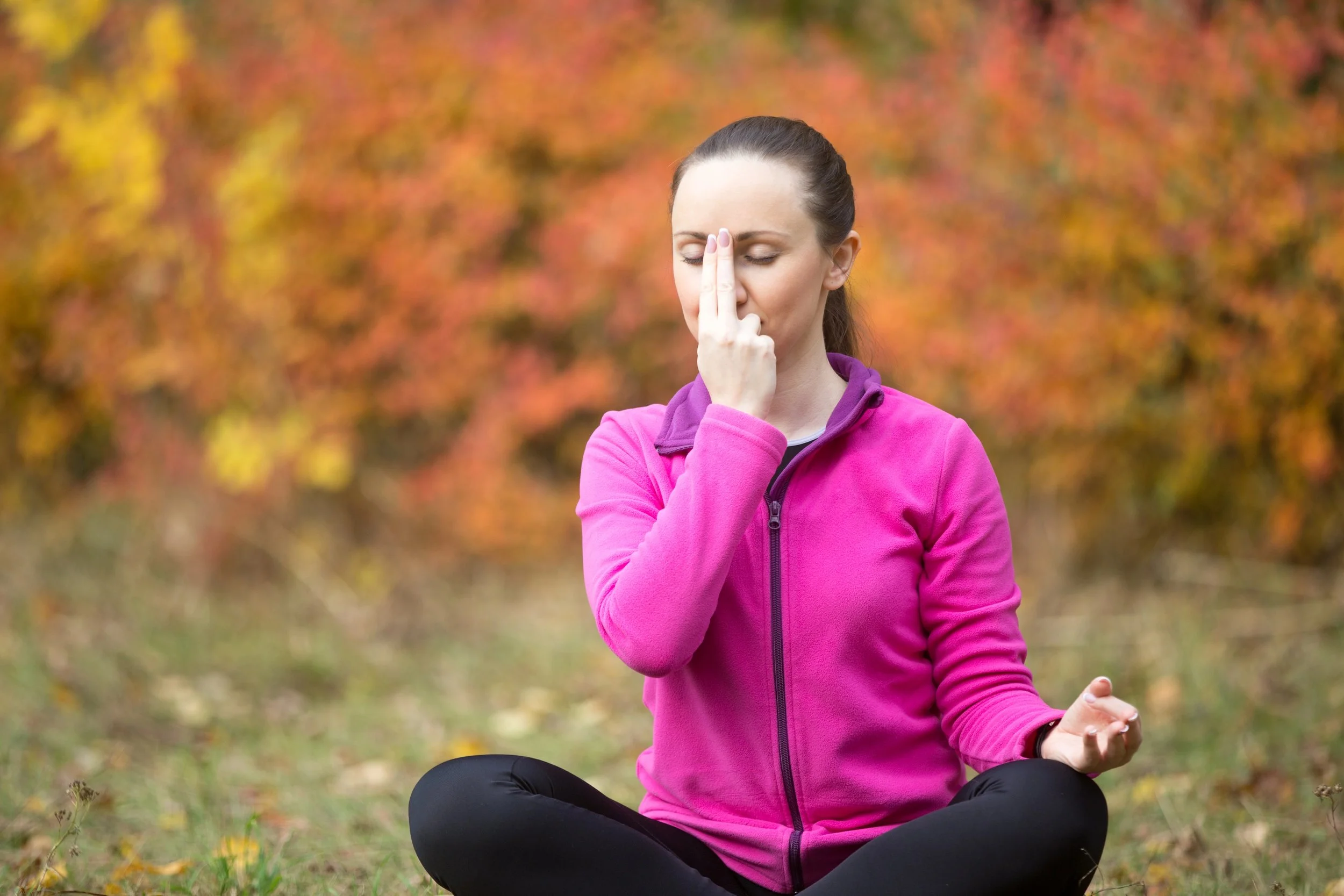
5. Alternate Nostril Breathing (Nadi Shodhana)
This traditional yoga breathing practice balances brain hemispheres and induces a sense of calm.
How to do it:
Close one nostril, inhale through the other, then switch nostrils and exhale. Continue alternating for 3–5 minutes.
Mind-Body Movement Practices
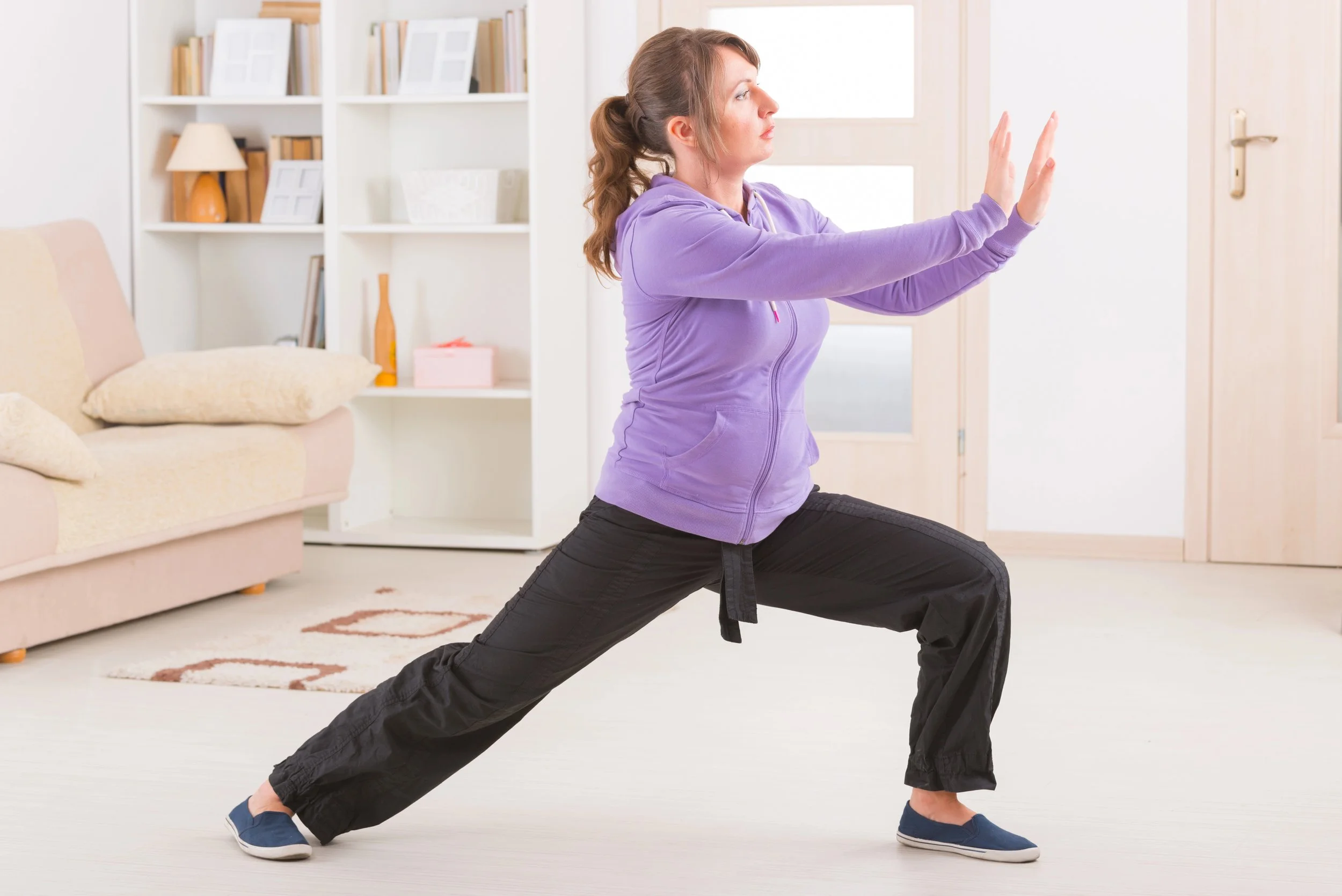
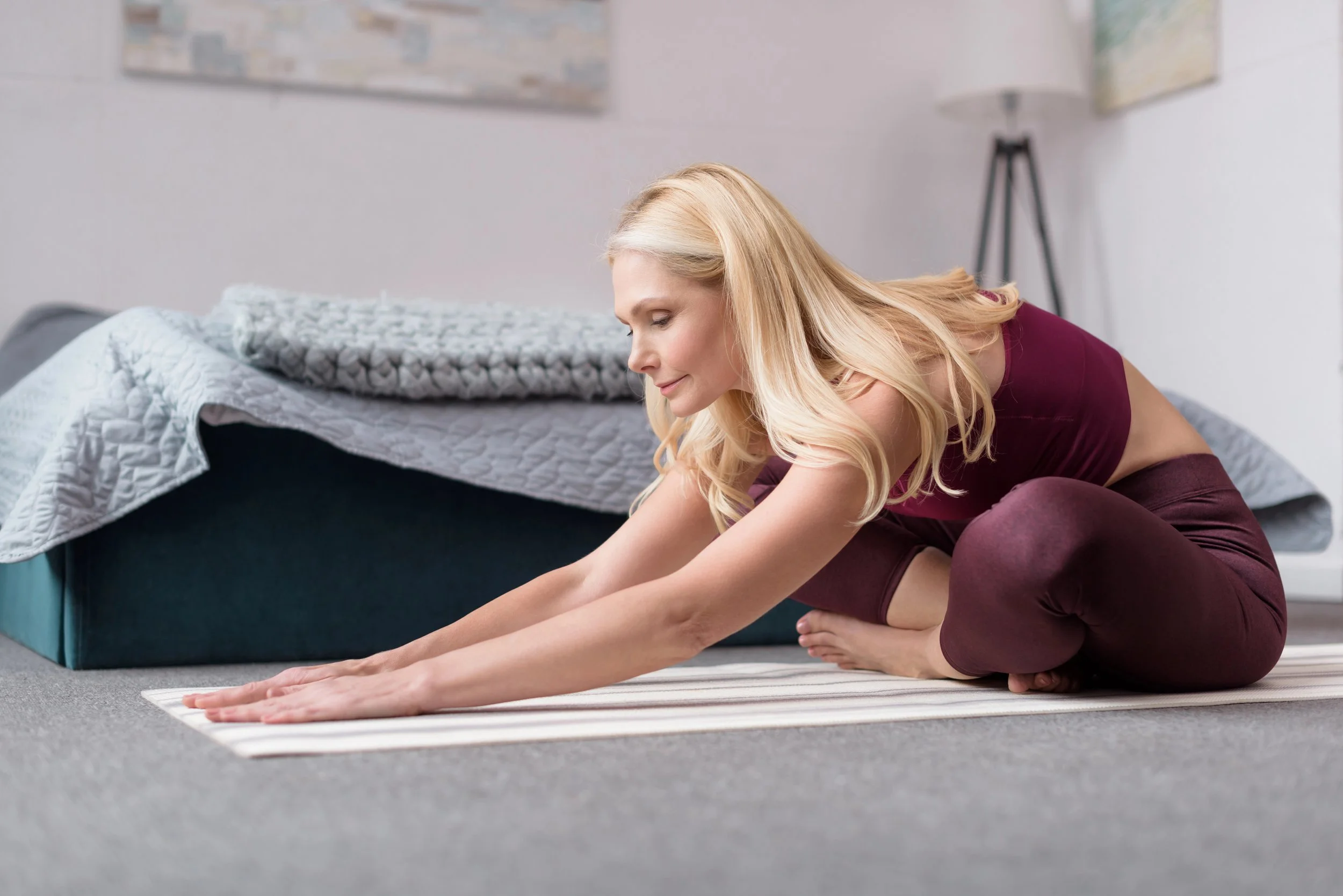
6. Gentle Yoga, Tai Chi, or Qi Gong
These mindful movement practices combine breath and gentle motion to activate your body’s relaxation response.
Recommended Poses:
Legs Up the Wall
Child’s Pose
Bridge Pose
7. Progressive Muscle Relaxation
A well-researched method for releasing stored tension in the body.
How to do it:
Starting with your feet, tense each muscle group for 5 seconds, then release. Move up through your body to the head.
8. Meditation and Mindfulness
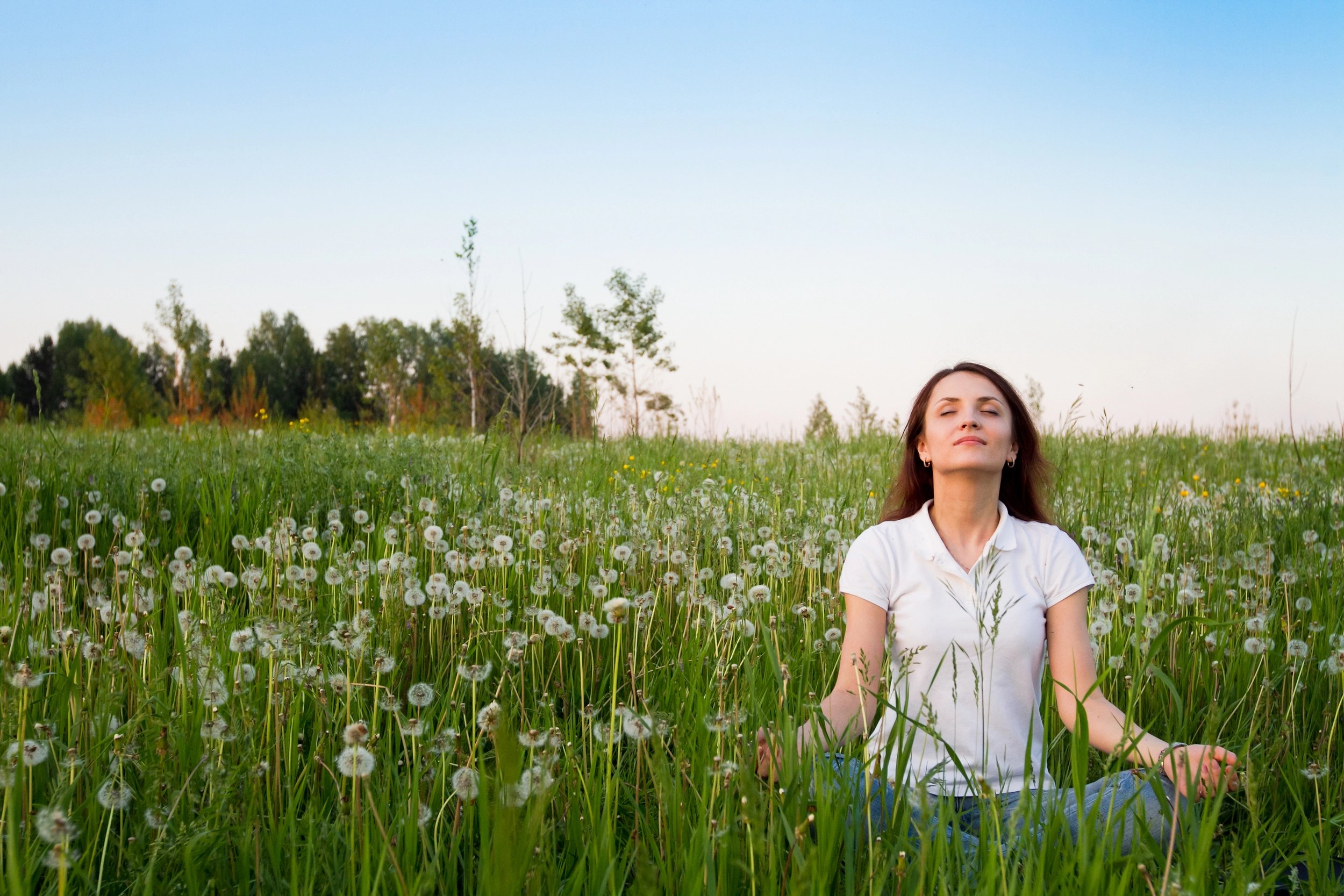
Even 5 minutes of daily meditation can calm your mind and re-center your nervous system.
How to do it:
Sit quietly, focus on your breath, and gently bring your attention back whenever your mind wanders. Use a guided meditation app if needed.
9. Guided Visualization
Engaging your imagination can trick your brain into relaxing by creating a sense of safety.
How to do it:
Close your eyes and imagine a peaceful place like a forest, beach, or quiet mountain cabin. Engage all five senses in the visualization.
10. Laughter Therapy
Believe it or not, laughter is medicine. It lowers cortisol, boosts feel-good hormones, and activates the vagus nerve.
How to do it:
Watch a funny show, laugh with a friend, or try laughter yoga for a quick mood lift.
Lifestyle Tools for Nervous System Balance
11. Cold Exposure
Short bursts of cold can help “reset” the autonomic nervous system and build stress resilience.
How to do it:
Splash cold water on your face or try a 30-second cold shower.
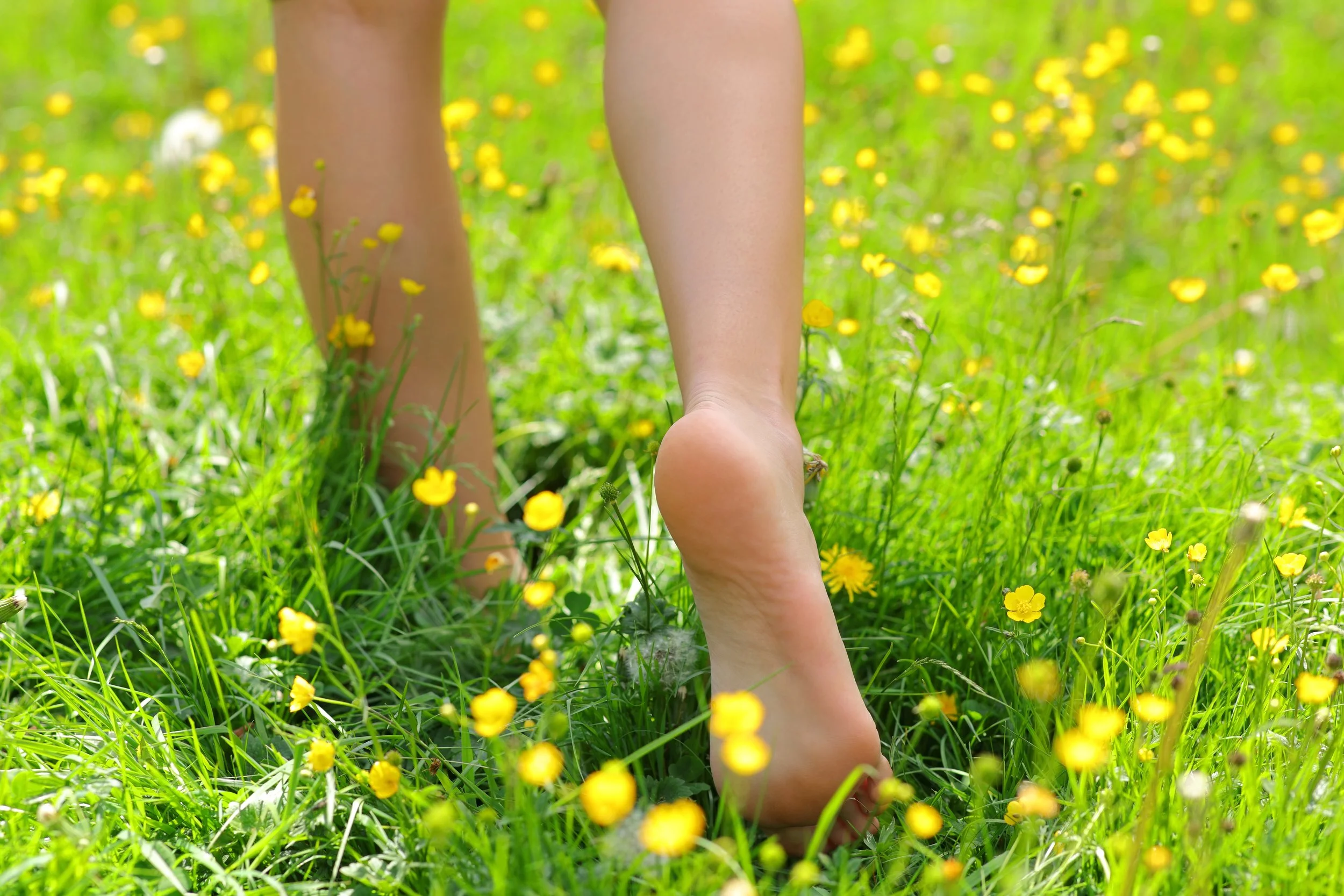
12. Time in Nature
Spending time outdoors is a scientifically backed way to lower cortisol and activate the parasympathetic system.
How to do it:
Take a walk in the park, forest bathe, or sit in the sun for 15–30 minutes a day.
13. Connection and Creative Hobbies
Social bonding and creativity both trigger oxytocin—the "relaxation hormone."
Ideas to try:
Hugging a loved one
Playing with a pet
Painting, gardening, or writing
14. Prioritize Sleep and Nutrition
A well-regulated nervous system depends on restorative sleep and a nutrient-dense diet.
Quick tips:
Aim for 7–9 hours of quality sleep
Eat whole foods, including omega-3s, leafy greens, and fermented food
Final Thoughts: Relaxation Is Not a Luxury—It's a Necessity
Chronic stress impacts everything from immune health to digestion, mood, and memory. By incorporating just a few of these nervous system calming techniques, you’ll notice more emotional balance, mental clarity, and physical vitality.
✨ Start small. Take a deep breath. Your nervous system will thank you.